Woodvale


Please note that this text is an extract from a reference work written in 1990. As a result, some of the content may not reflect recent research, changes and events.
The drive through the Extra-Mural Cemetery eventually leads into the council’s own cemetery, which is also approached from Lewes Road and Bear Road. Since about 1955 it has been known as:
b) WOODVALE: Following the rapid expansion of the town in the early nineteenth century, the churchyard and cemetery extensions of St Nicholas’s Church became severely overcrowded causing the Home Secretary to prohibit further interments there from 1 June 1853, although the deadline was later extended until 1 October. The vestry approached the Extra-Mural Company but they refused to sell land and demanded too high a charge for parochial burials. After the Home Secretary had refused to extend the deadline further, the Marquess of Bristol ‘came to the rescue’ by offering the parish 20 acres of land to the east of Lewes Road in April 1856 which were gratefully accepted. A burial board was formed the following month, and the new parochial cemetery was laid out in 1857. On 1 April 1902 it became the Brighton Borough Cemetery when the corporation took over the functions of the parochial burial board.
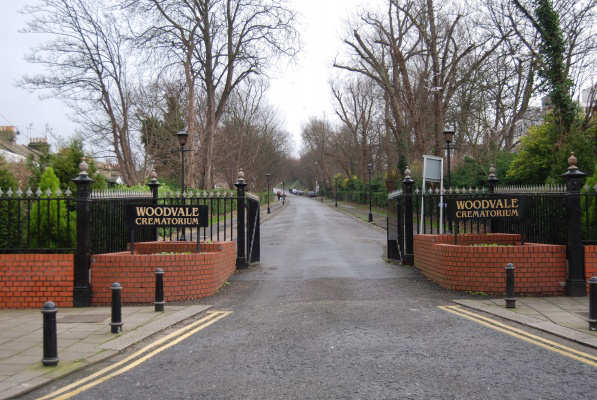
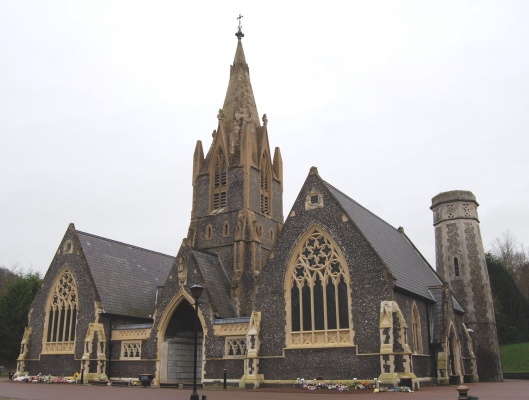
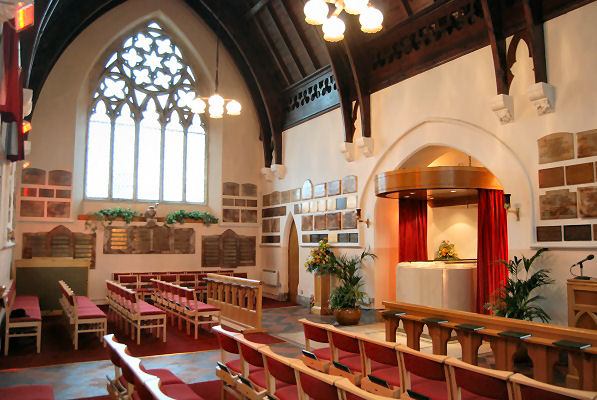
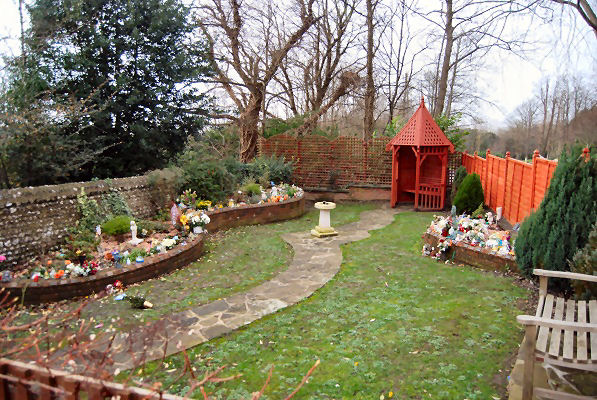
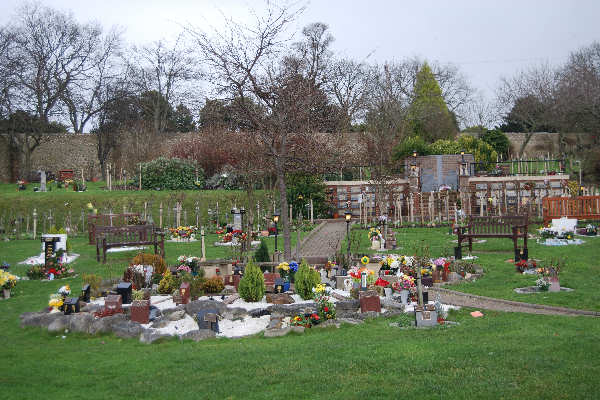
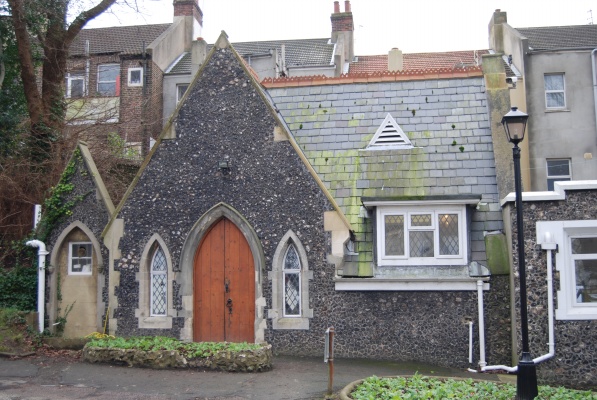
The original area is approached by a long drive from Lewes Road with two knapped flint lodges about halfway up; a memorial gateway to the Marquess of Bristol with two crocketed spires formerly stood between them. The cemetery contains several impressive tombs of important figures in Brighton’s history, and the large mortuary chapel is one of Brighton’s most impressive Gothic chapels. Built in the Decorated style, it is faced in knapped flint and has a large tower and spire with an octagonal lantern tower at the rear. The chapel also houses the Brighton Borough Crematorium which opened in 1930, the first crematorium in Sussex. The cemetery grounds have been beautifully laid out with rock gardens and cascades and provide interesting sylvan walks.
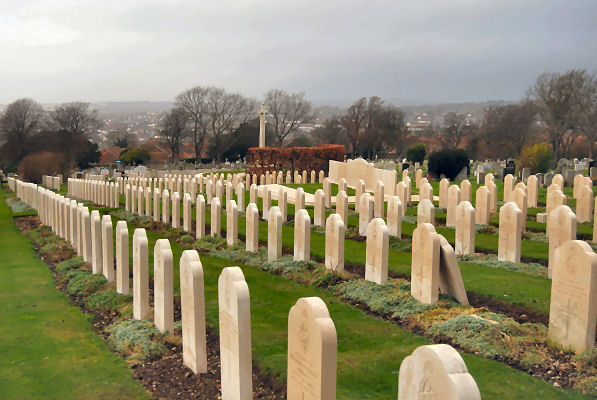
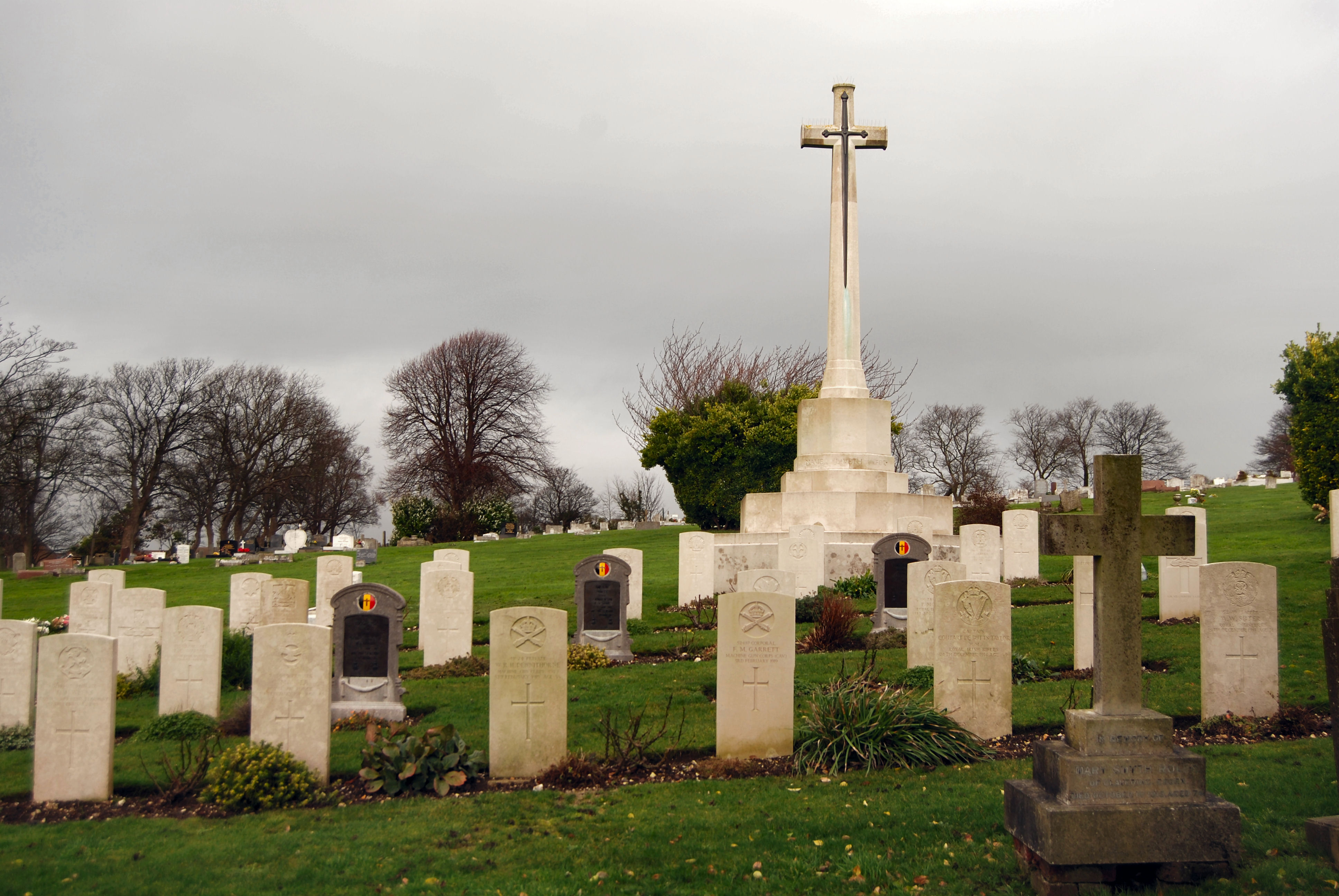
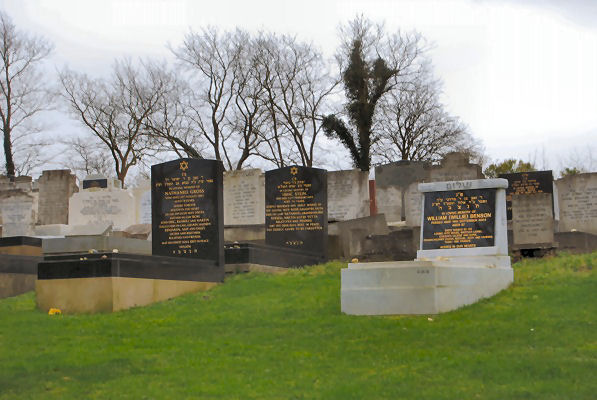
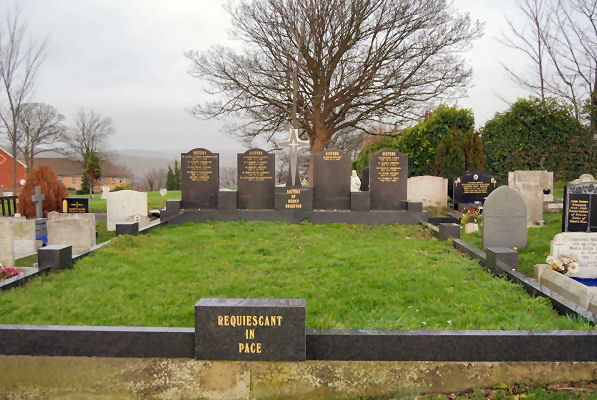
An extension of 23 acres to the north of Bear Road was added in 1868, an area which now includes the Commonwealth war graves and St Dunstan’s plots. In 1919 3.5 acres off Bevendean Road were sold to the Jewish community as a burial ground. {24,83,112,126}
Any numerical cross-references in the text above refer to resources in the Sources and Bibliography section of the Encyclopaedia of Brighton by Tim Carder.


Comments about this page
This photo is at The Downs Crematorium not Woodvale. I know because I have a memorial on the left hand side up on the bank for my Mother and Father.
What a nice place to walk around in the summer on a Sunday athernoon. So peaceful.
I am Jade Parrett, I am 14 yrs old and this is were my uncle was cremated on 24 December 2007. He was called John Chincharo, I miss him so much. Just wondering if you have statements on the music you played when we were all standing there. Thanks so much for your help.
I came to this beautiful little church on 8th January for my Mum’s funeral. I lost her Christmas Eve 2008 and I miss her so much I still cry every day. God Bless you my loving Mum. xxxx
Does anybody know where I could find all the records of burials for this cemetry between 1890 and 1901?
The registers relating to burials in the cemeteries at Lewes Road (Woodvale) and Bear Road, including the Extra Mural Cemetery, are held at the Woodvale Lodge, located on the main drive from Lewes Road up to the crematorium. Records relating to Brighton & Preston Cemetery between Hartington Road and Bear Road (including Downs Crematorium) are held at the Lodge just inside the cemetery gates off Hartington Road.
Add a comment about this page