Impressive middle-class housing developed c1860s

Please note that this text is an extract from a reference work written in 1990. As a result, some of the content may not reflect recent research, changes and events.
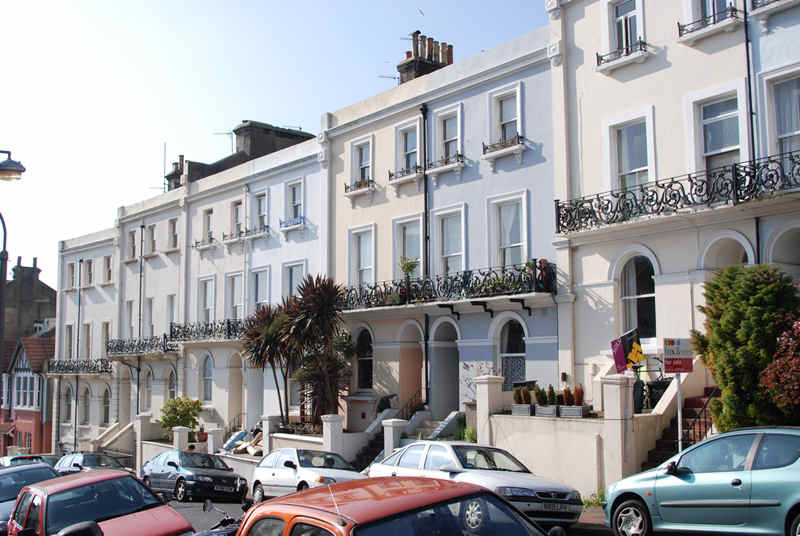
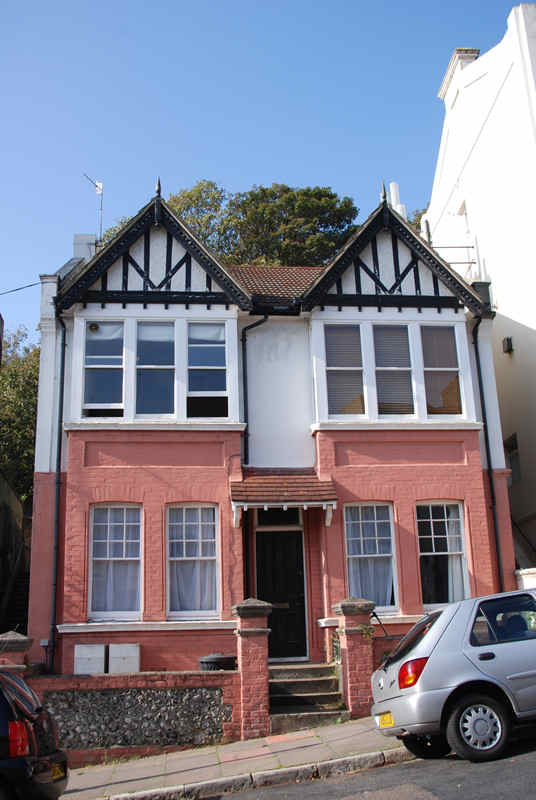
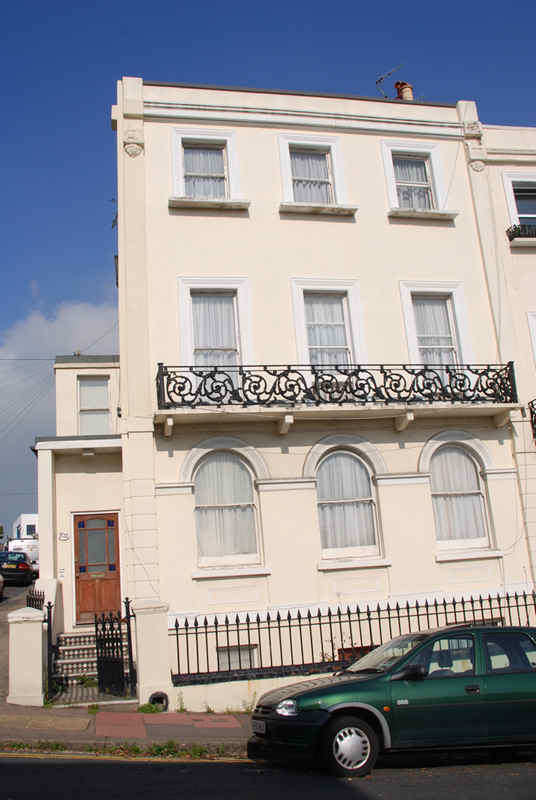
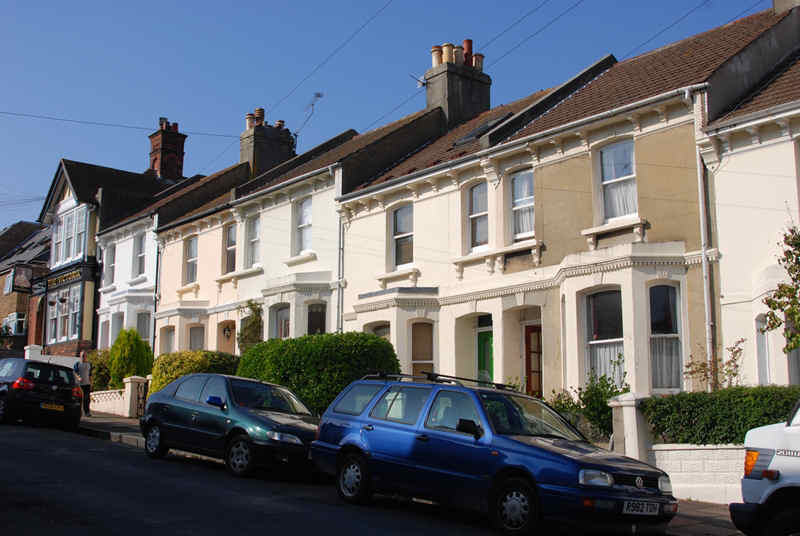
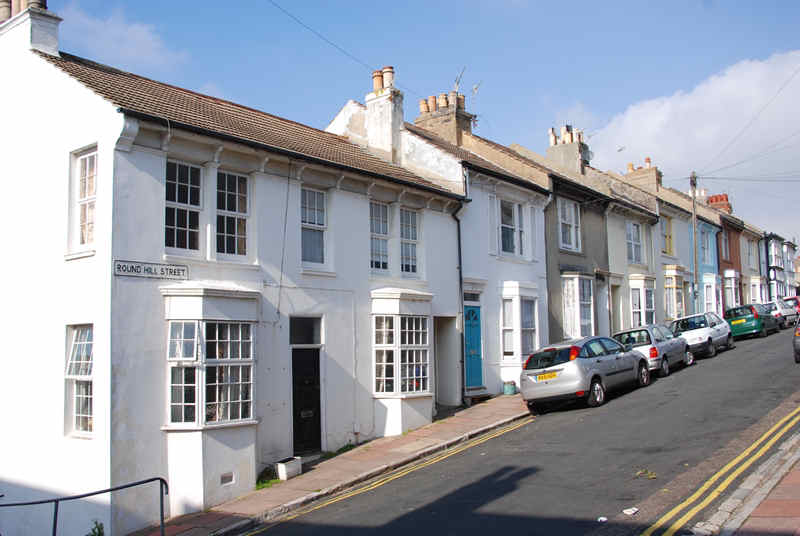
Reaching a height of about 223 feet above sea-level, Round Hill overlooks the Level from the north and was ploughed up in the eighteenth century to form a large, arable open field. Some Regency-style houses were built in the 1820s at Rose Hill, but the next development did not occur until the 1850s when the villas of Round Hill Park (now nos.68-82 on the eastern side of Ditchling Road ) were erected. The rest of the area was principally developed from the 1860s with impressive middle-class housing at Richmond Road and Round Hill Crescent , with smaller dwellings in nearby streets. The Round Hill estate, between Upper Lewes and Lewes Roads , was developed from the 1860s to the 1880s, many of the houses being erected at the expense of Revd Arthur Wagner.
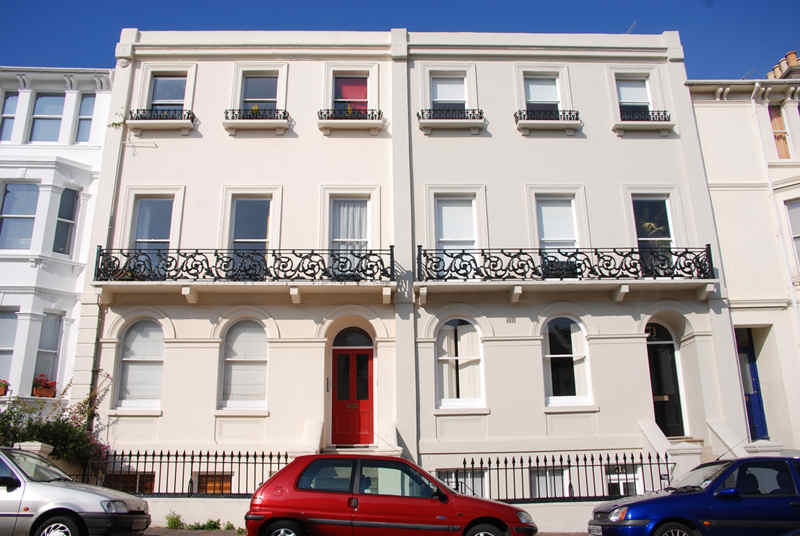
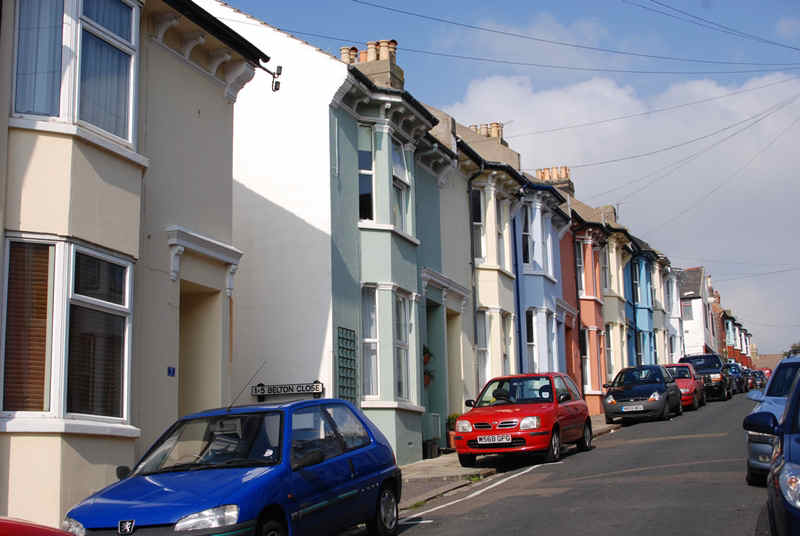
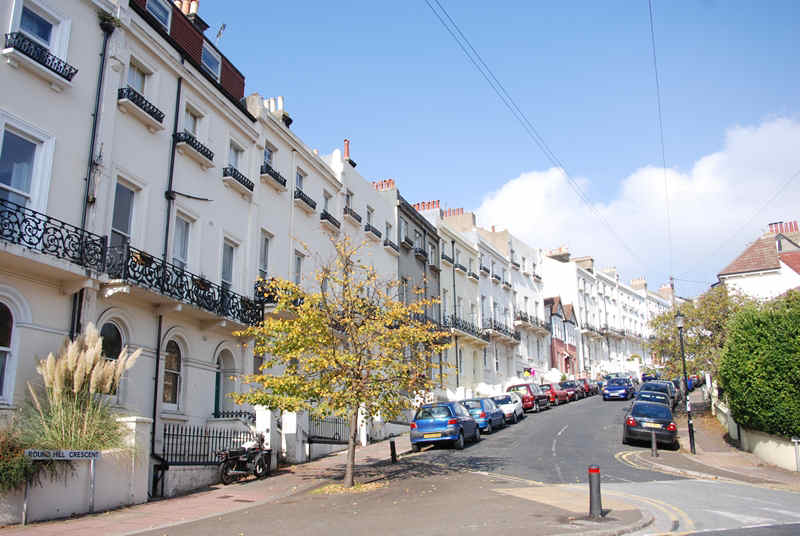
The curving terraces present an impressive townscape when viewed from across the Lewes Road valley, and the Round Hill area is now a conservation area which also includes the small terraces of Round Hill Road and Belton Road together with the villas of Round Hill Park. Round Hill Crescent itself has several impressive terraces on the north-western side, and nos.1-37, 69-71 and 101-113 are three-storey, listed houses with ironwork balconies, dating from the 1860s; no.101 was the Lewes Road Hospital for Women and Children in 1905-10 before moving to Ditchling Road as the Lady Chichester Hospital.
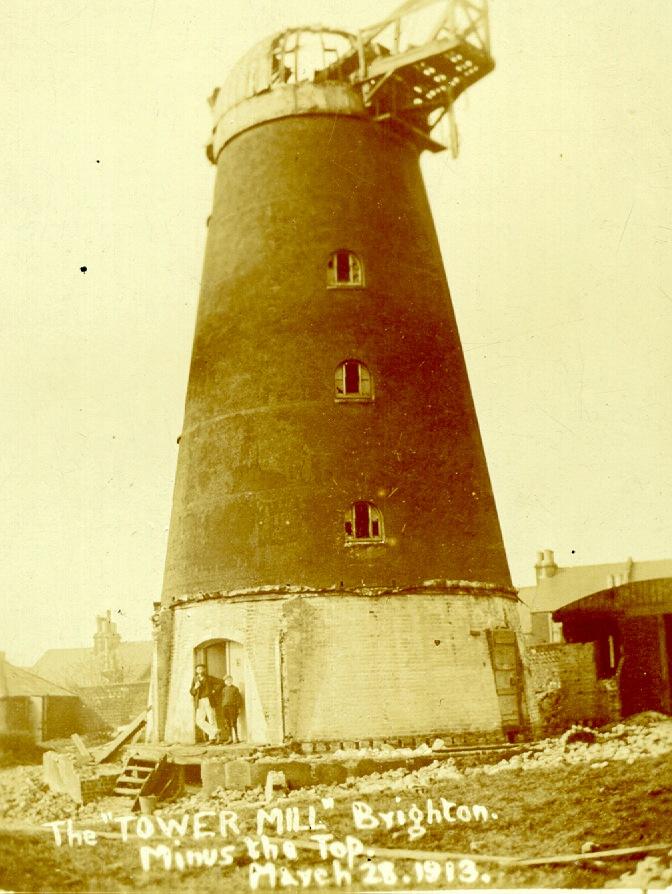
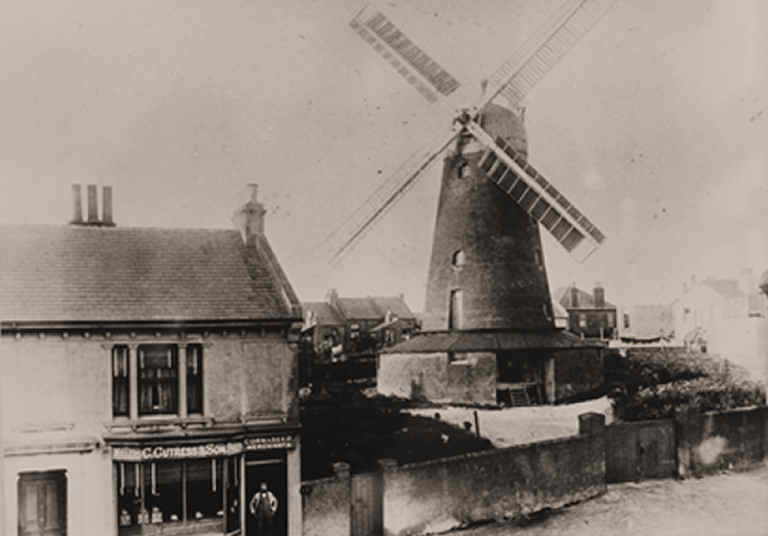
The northernmost end of Belton Road was the site of a windmill until 1913. Known as the Tower Mill, Round Hill Mill or Rose Hill Mill, it was a brick structure built by John Ingledew and John Lashmar in around 1838. In about 1880 it was purchased by Charles Cuttress, founder of Forfars bakery, and a steam-engine was installed to drive the wheels with the sails fastened.
Any numerical cross-references in the text above refer to resources in the Sources and Bibliography section of the Encyclopaedia of Brighton by Tim Carder.


Comments about this page
Is this photo of Coombe Road?
On the 1911 Census my Great Grandmother Emma Steer lived at 3 Roundhill Crescent, she was a housekeeper for a William Vickery, also living in the house was a midwife, her name was Elizabeth Nash.
How pleased I am to see from the beautiful photographs that Roundhill is now a colourful area with a variety of hues and shades on the houses. It was quite drab when I was a boy but then the technology of weatherproof paint did not really exist. My house was a little further up the street but that is the icy corner we hated in winter !
This is not Coombe Road. By the looks of it, I would say that the photo was taken at the top end of Hartington Road.
101, Roundhill Crescent in 1911 was a hospital for women and children
In 1905, number 101 was rented by Dr Helen Boyle, who had founded a dispensary in the nearby suburb of Hanover in 1899. She moved the dispensary to Roundhill Crescent and opened a 12-bed hospital alongside it, for the treatment of women and children with mental health problems. Named the Lewes Road Hospital and Dispensary for Women and Children, the facility was England’s first hospital for the treatment of mental illness.
Hartington Road, I can just see the house I grew up in 1952-1965.
Add a comment about this page